AI Is Here for Physical, Too
What I did on my summer vacation, or how I used AI to turn wild ideas into physical reality.
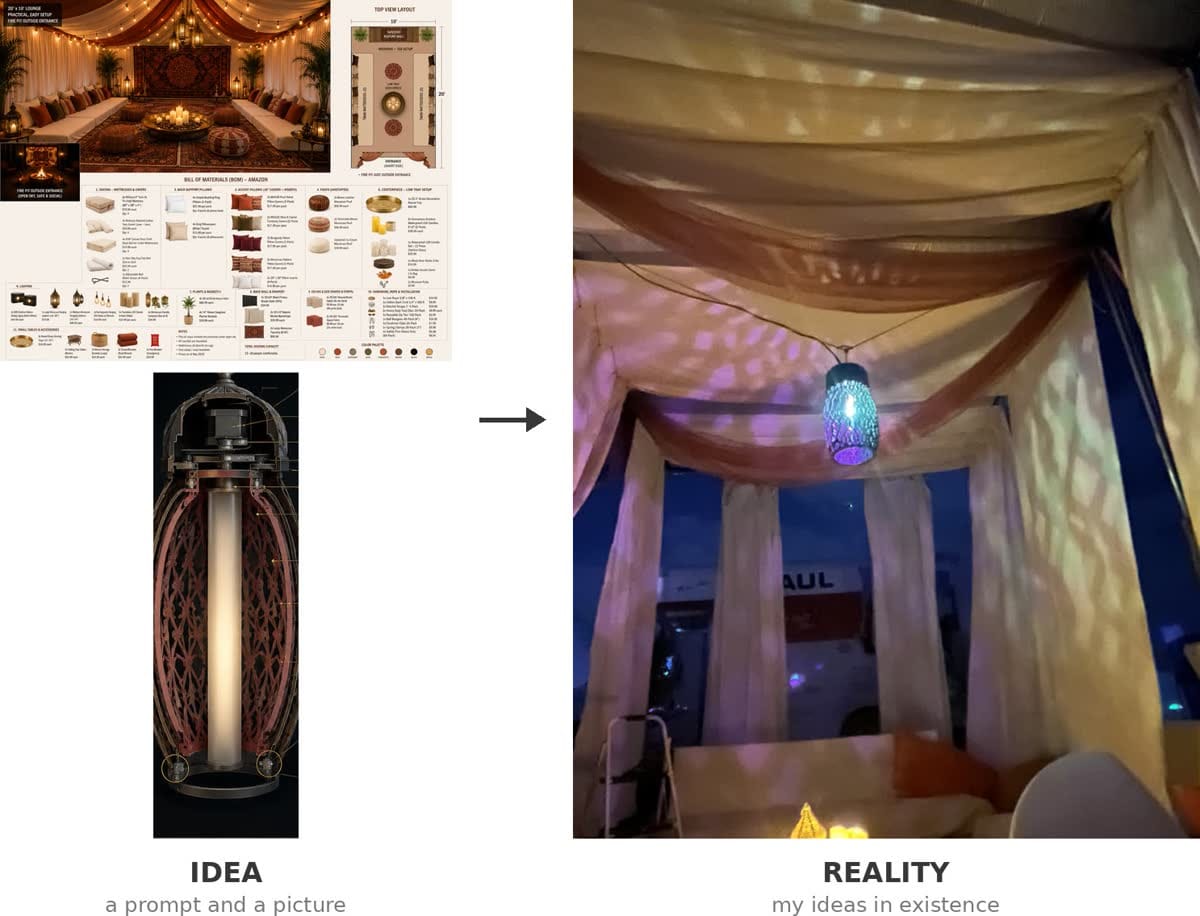
I haven’t posted since the spring. I’ve spent that time integrating AI into every financial workflow I run, which is what I predicted in February would happen to finance and accounting. It’s happening to physical work too, and where I see it is in my hobbies.
As a CFO for manufacturing companies, I have an appreciation for building things, and for the systems that coordinate a team to get them built: part numbers, bills of materials, schedules, approvals, the record of who changed what. The same instinct is why I write code, build financial and information systems, and on a bigger scale a company itself. On the weekends that same love of creating turns to the physical world, to woodworking, welding and sewing.
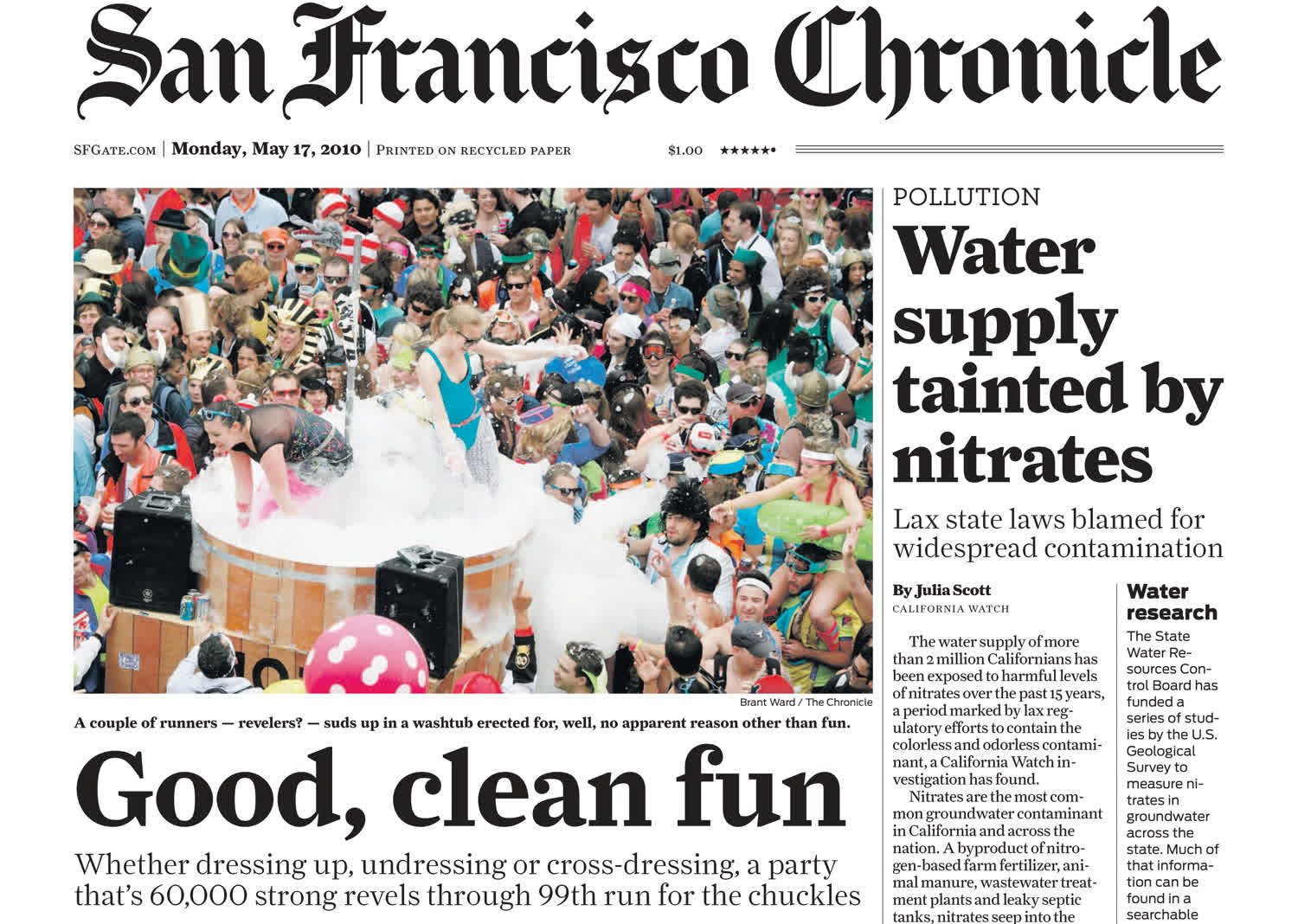
I almost always built straight from my head and rarely designed anything first. When you’re one person, drawing it takes longer than building it, and the only person who has to understand the thing is you. In 2010 a friend CAD’d my Bay to Breakers float before we built it, and I thought that was a waste of time. Let’s just build the dang thing off a napkin. It only has to last a morning. We built it off the napkin, and it made the front page of the San Francisco Chronicle.
With AI I’m not one person anymore, and that changes what I need. Working on a physical object with it takes more than a chat window, because text can’t hold a shape, a fit or a tolerance. We need something we are both looking at and both editing, and for physical things that is the CAD model. So I CAD everything now, or rather the AI CADs it and I review it, the same way a repo is the interface for code and a ledger is the interface for money. Things that weren’t possible for me are suddenly possible.
AI changed how we write code, then how we do finance, and physical work is next.
Designing with AI
This summer was the first time I really worked with AI in the physical world, on two projects for Burning Man: a shade structure for our camp to sit under, and a lantern to hang in the middle of it that throws moving patterns of light across the walls. Both started as ideas in a chat window and ended up standing in the dust.
The lantern is two lattices, one inside the other, and the inner one turns. As it moves, the two patterns interfere and the light crawls around the room. A motor, a belt, and a ring on three skateboard bearings do the turning.
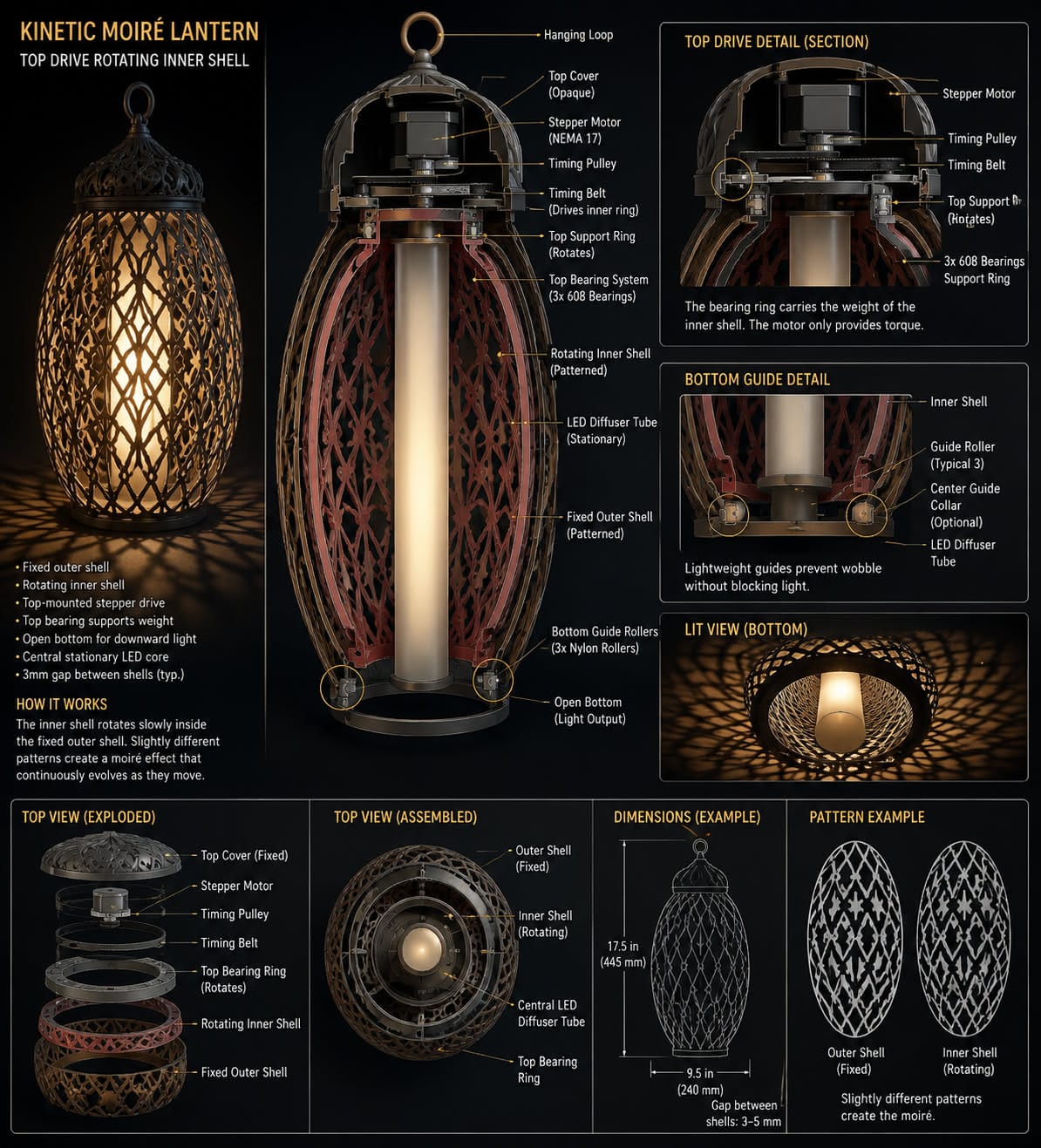
My first engineering prompt was narrow: design the bearing interface, outer ring and inner ring, three skateboard bearings. From there the AI did the work I can’t do at speed, which is everything between a design that spins and one that binds. It modeled the parts, sliced them, and told me what to print, and within a day parts were coming off the printer.
Each round I printed the new part, fit it, broke something, and told it what was wrong. That back and forth is where it fell apart. By the fifth revision I had parts on the bench I couldn’t identify, two versions of the same ring, and no idea which file made which.
So I typed this:
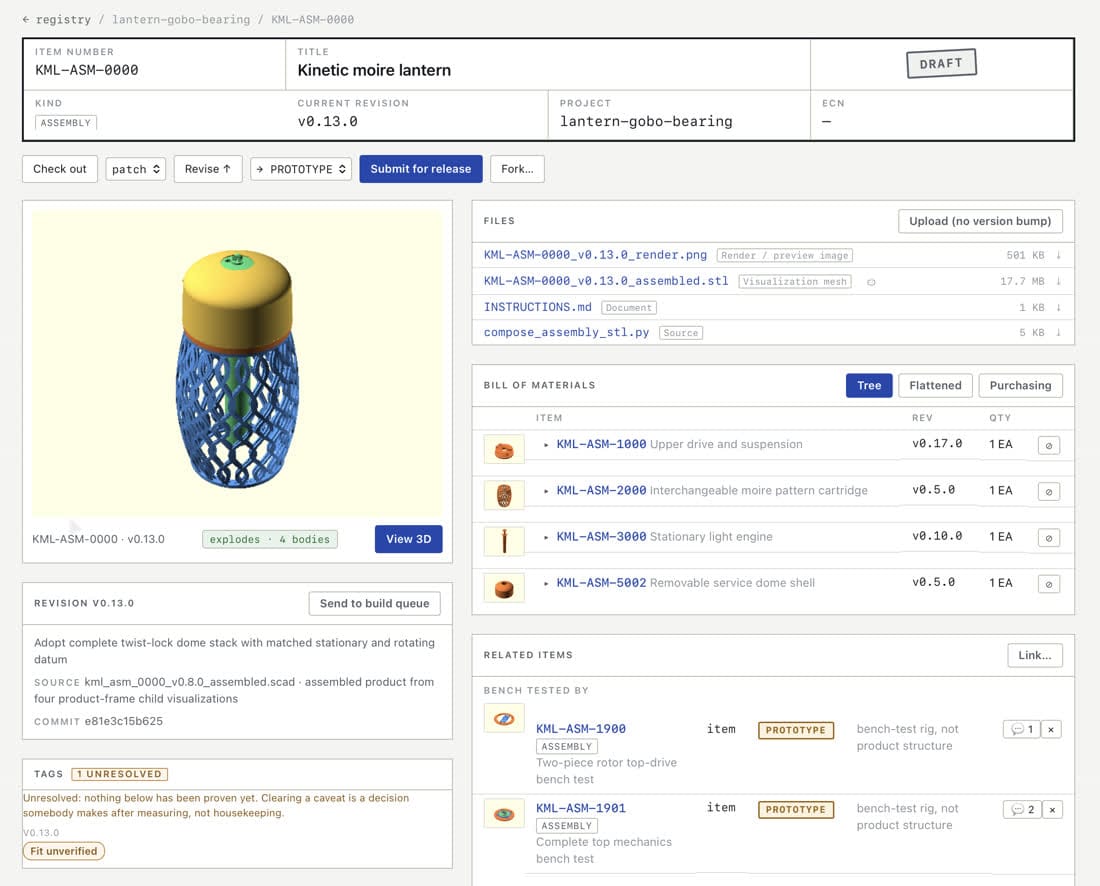
“can we start to number and revision parts? including ones we need to buy. let’s treat this like an overall plm.”
A PLM is product lifecycle management, the system manufacturers use to know what a part is, which version is current, and who approved it. Big companies buy Teamcenter. I prompted one into existence over a couple of days.
Every part has a number and a revision. Every assembly has a BOM pointing at exact versions. Every change is a change notice with a reason attached. Every part is its own git repository, so I can diff a bracket the way I’d diff code. Agents are the primary users, because agents do the work. Bots cannot approve their own work. I approve.
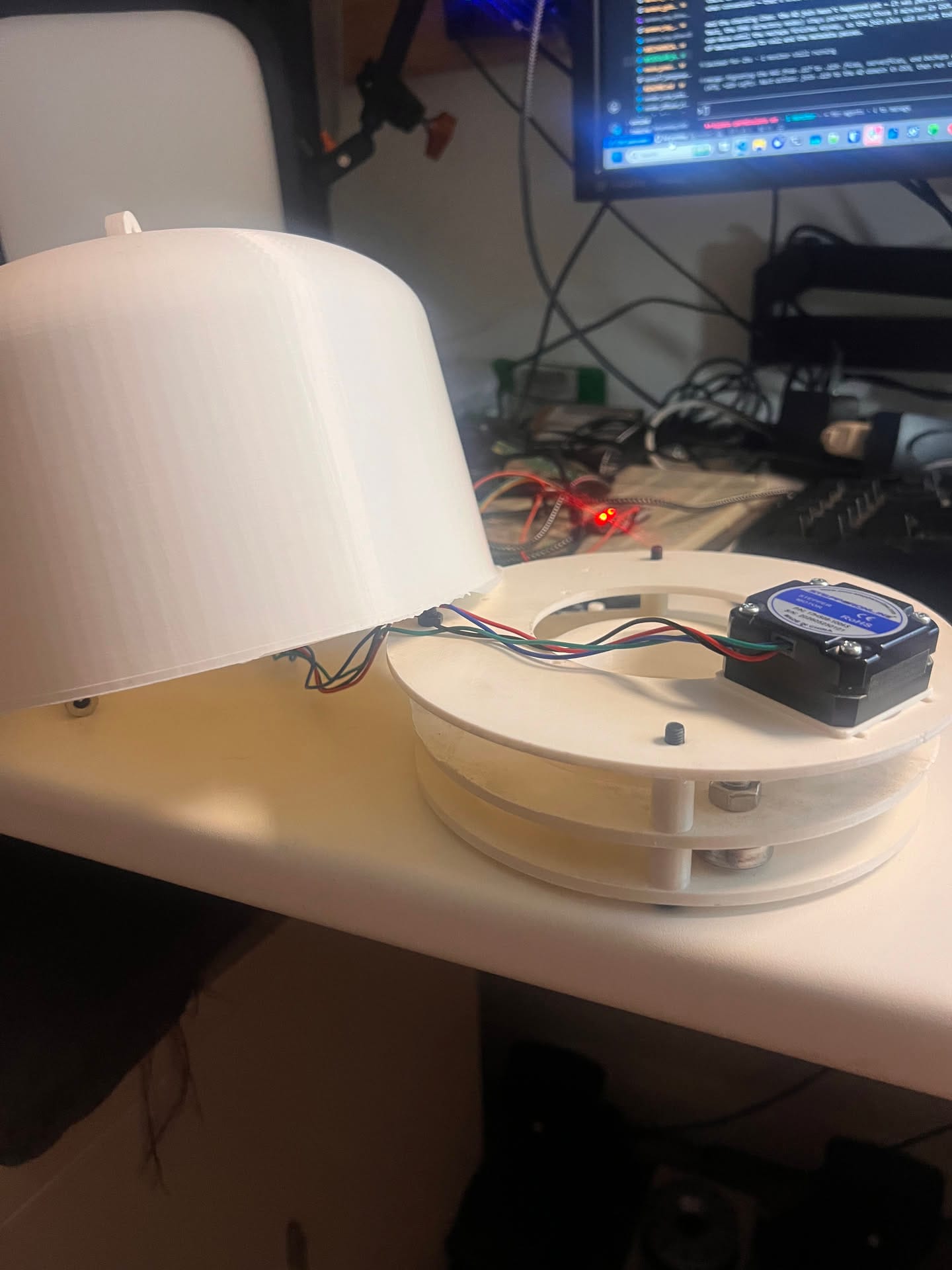
The lantern alone is 125 parts and 391 revisions, with 28 change notices before the first build I’d call real. The whole manufacturing repo is 1,242 commits. The bot wrote 1,201 of them. I wrote 31.
Then I became the meatbag
Once the system existed, my job got smaller and more physical. The printer manager slices the model, arranges the parts on the plate, queues the job, and waits for me to confirm. What it sends back reads like this:
“Your print finished, and it finished clean. Both parts. Your parts are on the bed.”
That reads better than “job complete.” It names both parts by number and revision, and it tells the human what to do next. Every revision comes tagged REPRINT, REWORK, REUSE, or FIT-TEST-ONLY, so I know whether to walk to the machine or leave the part on the shelf.

The first full assembly went up on a hook in my living room, and the pattern crawled across the wall the way it was supposed to. What was left for me was taste, approvals, and hands, and I’m fine with that. I built something I could not have built alone.
Building something that was a sourcing problem

Most of the work on the tent was buying the right things. I knew what I wanted it to look like, a desert lounge, Dune by way of a good hookah bar, and I had constraints that ruled out most of what that normally costs. Everything had to be cheap, survive a week of dust and wind, pack flat into the truck, and go up and down by hand.
So I described the room and kept prompting until what came back was not a picture but a list I could buy, with quantities, prices and links.
Then I gave it my Amazon account, and that’s where it stopped being a list. It knew what I’d ordered, what had shipped, and what had landed. Every morning it printed what was arriving that day, and every box got a label as I opened it, with our own part number and a code back to the record. Strip any build down to what you still have to buy and you are left with the question I needed answered: am I clear to build, or will I open three boxes at 11pm and find the bolts are still in Nevada?
Now it’s packing for next year
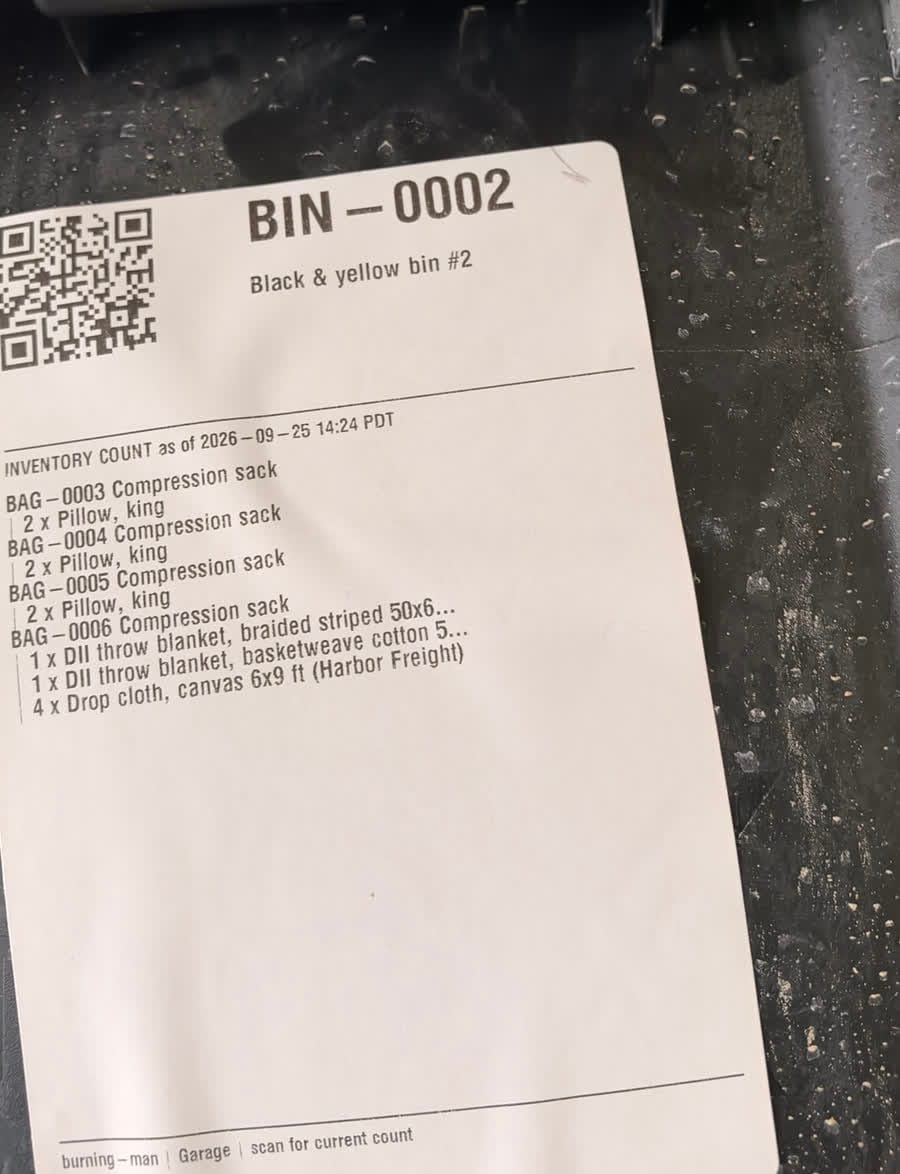
Since we got home I’ve pointed the same machinery at the boxes in my garage. What I’m building is a lightweight personal ERP. I’ve implemented enough of them for companies over the years, and this one is the same idea at household scale: bins, locations, quantities, what came back dirty, what got lost.
Every bin has a number and a label, and the label lists what’s inside, down to the pillows in a compression sack, with a QR code to the current count. Next August I don’t want to remember what we own or what we’re missing. I want to ask.
What transfers to work
I did this on a personal project, which is the only reason it moved this fast. No security review, no data classification, nobody to ask whether an agent may have write access to the part registry.
I didn’t learn mechanical engineering, and I didn’t have to. The AI had the domain. What it didn’t have was memory or discipline. It would design a part in a minute and have no idea the next morning which version I’d printed, or whether the one on the bench was the one the assembly called for.
Knowing what structure to hand it is the part I brought, and I know it from the day job. The financial systems of a manufacturer run on part numbers, bills of materials, revisions, approvals and receiving, and I’ve spent years inside them. When the lantern started falling apart on the bench, I wasn’t inventing anything. I was rebuilding a system I already understood, for an agent instead of a controller.
AI came for finance, the way I said it would. It’s coming for physical work now, and I’m watching it happen on my weekends.
Postscript: what’s next in the shop
The same pipeline for everything I sew: a pattern designed in a model, printed full size, cut, assembled. A plotter is the missing piece, and the workflow around it is the part I have to build. Steel is next after that, once the plasma CNC is running. Both used to be gated on CAD skill I don’t have.